
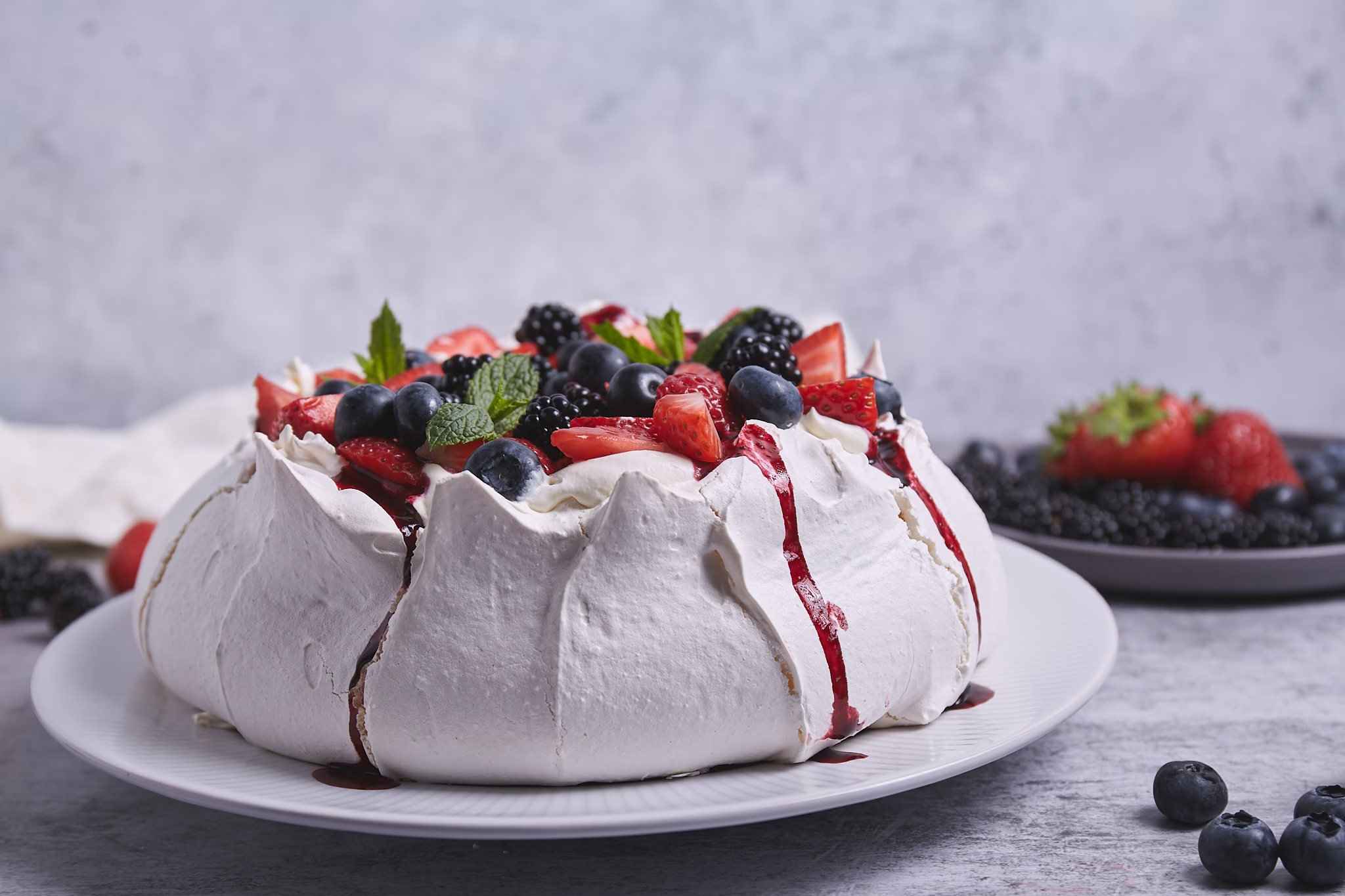
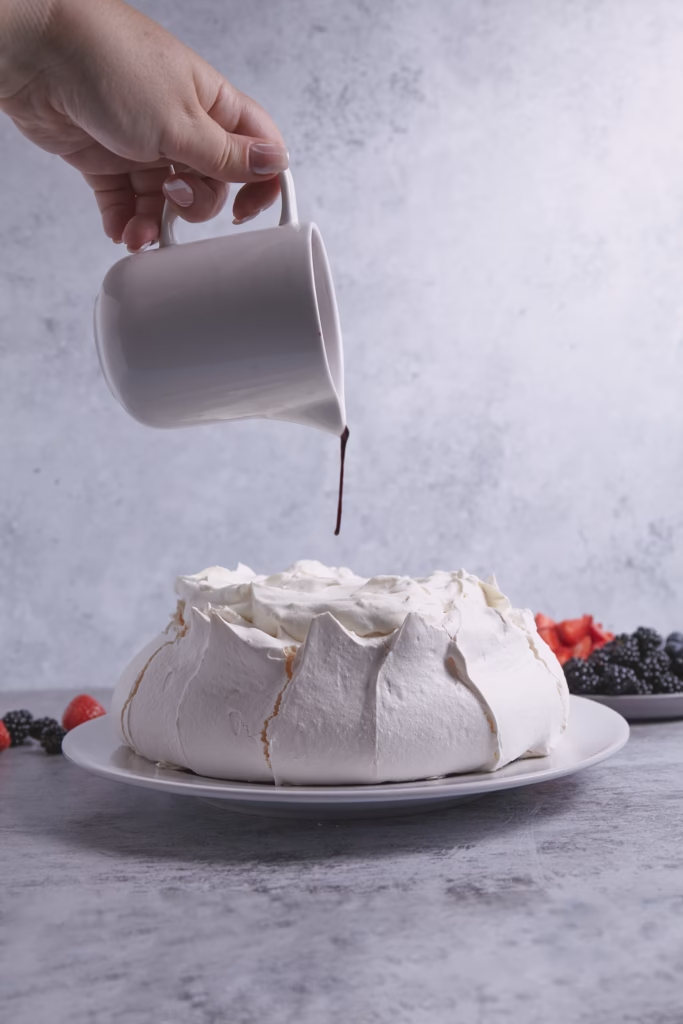
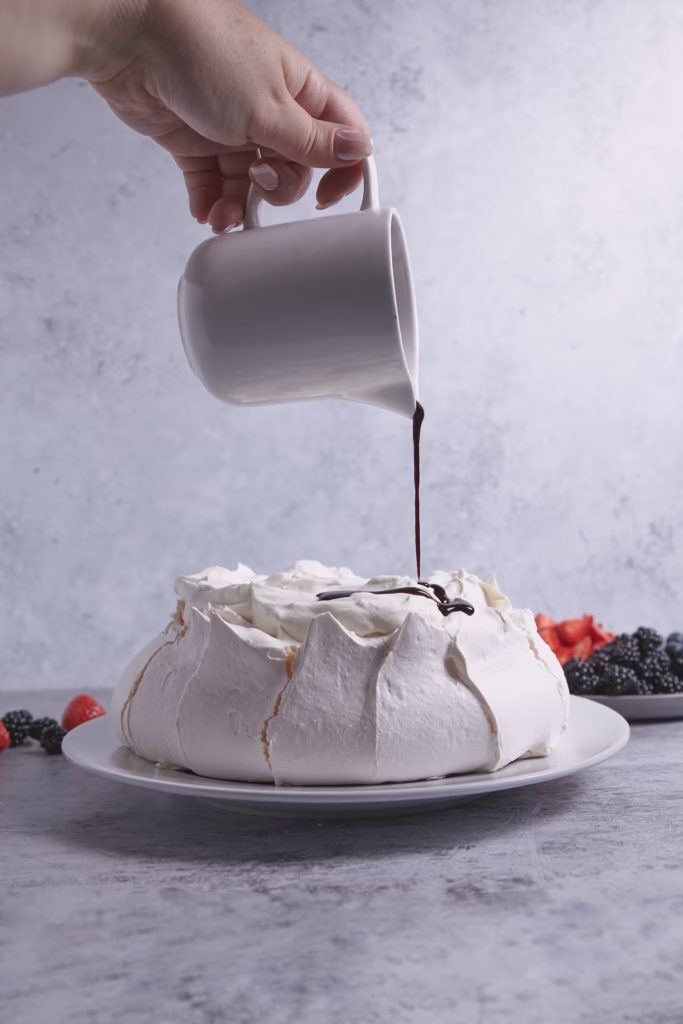
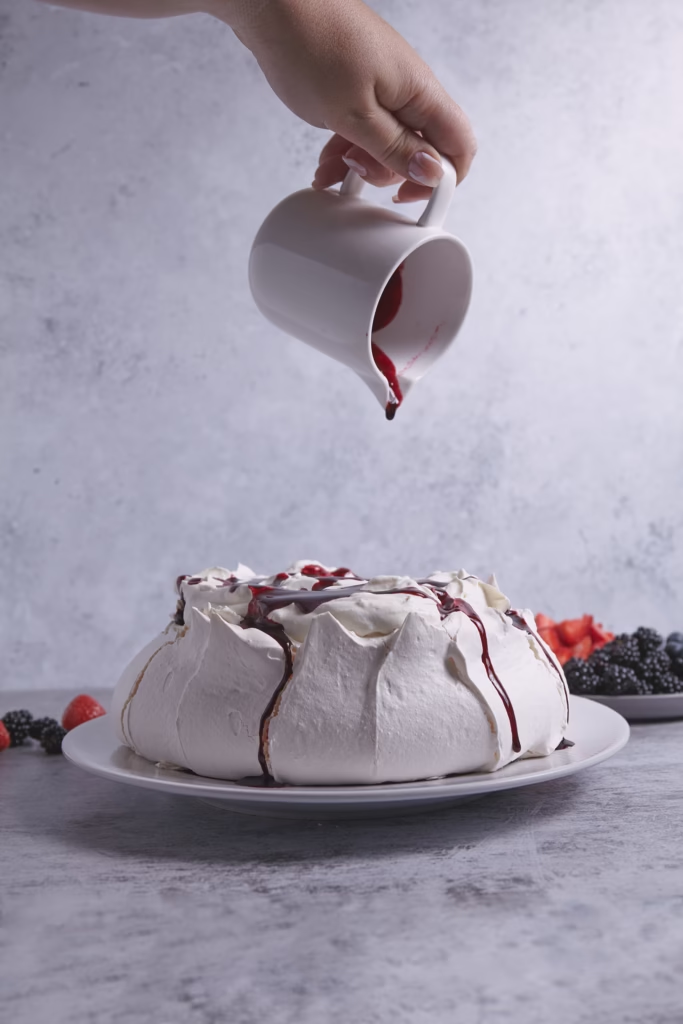
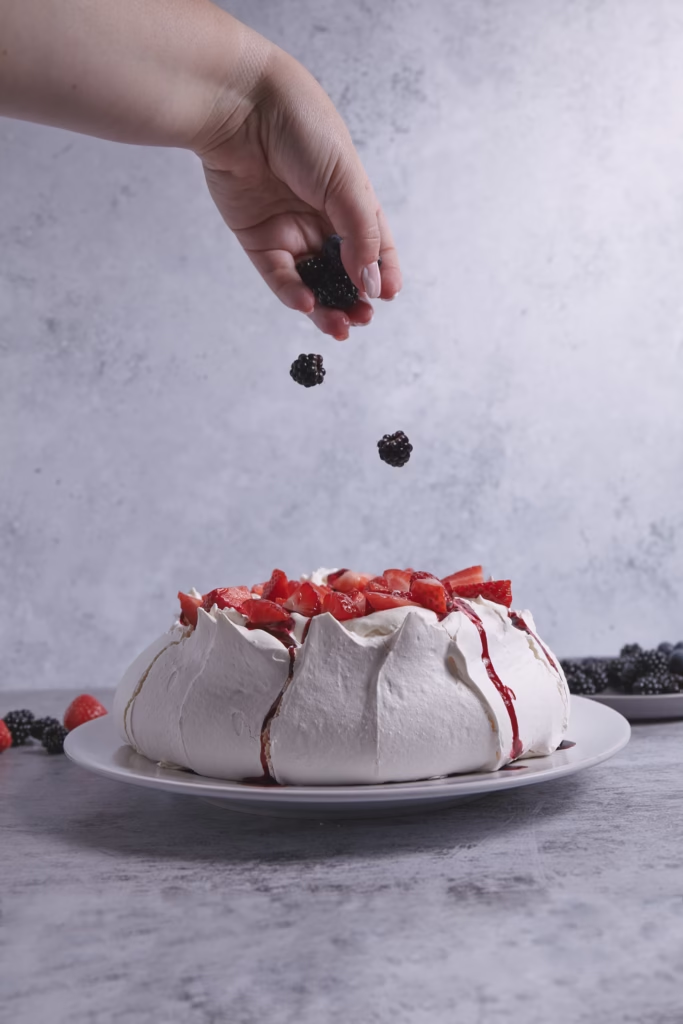
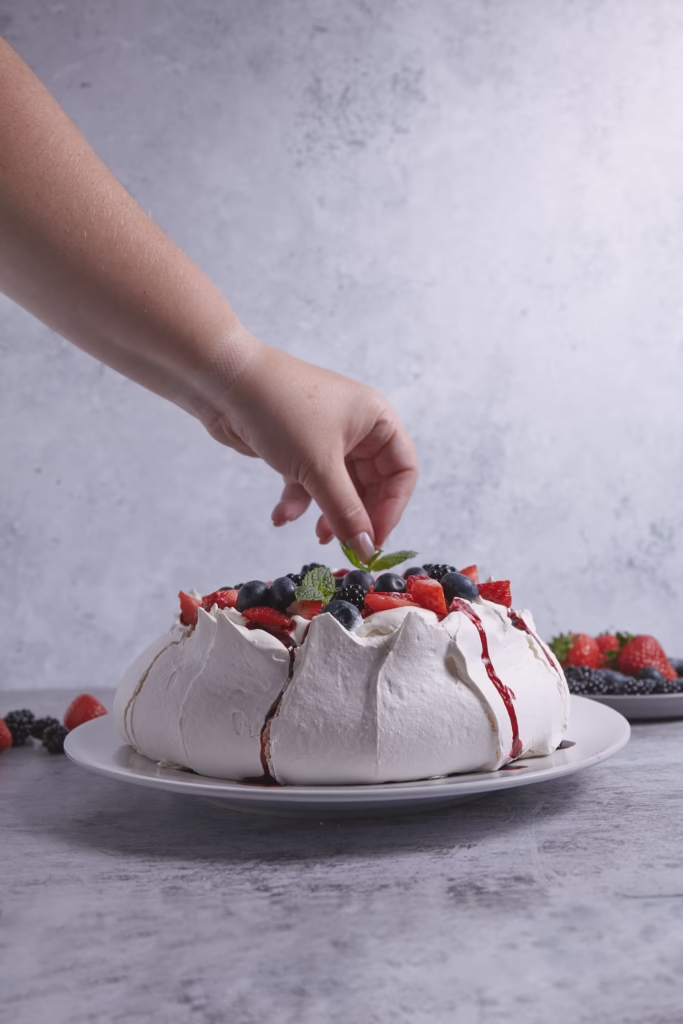
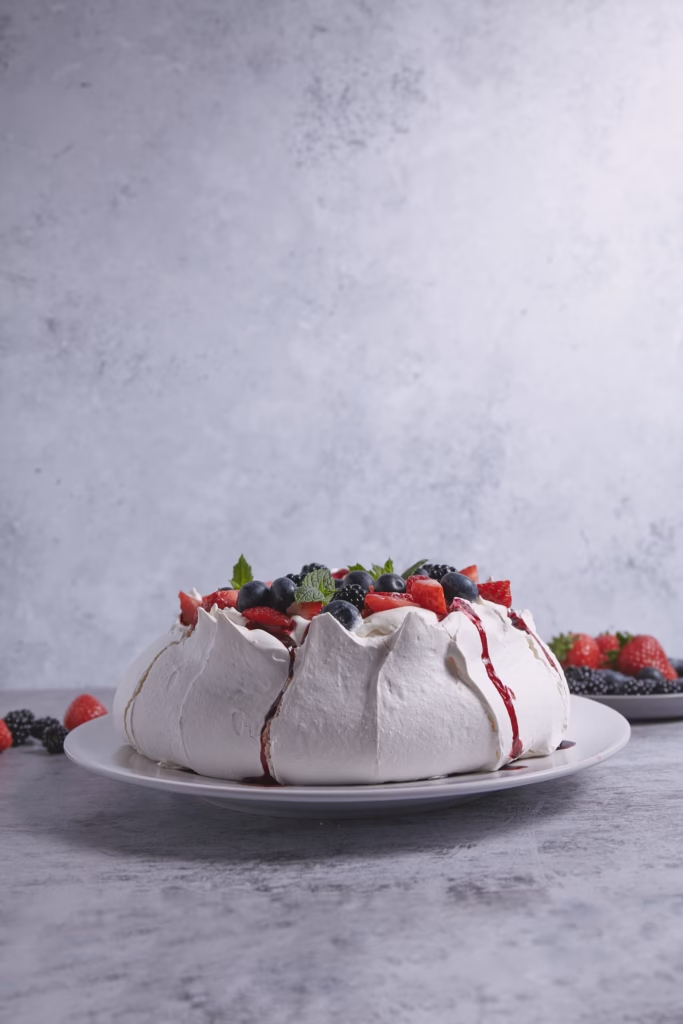
There are desserts that feel celebratory by nature, and pavlova is one of them. Light, elegant, and quietly dramatic, it has a way of turning even the simplest gathering into something special. For me, pavlova topped with cream Chantilly, freshly made berry compote, and an abundance of fresh berries is the ultimate expression of balance in a dessert. Crisp yet marshmallow-soft, rich yet airy, sweet yet sharp—it’s a combination that never fails to impress, while still feeling wonderfully familiar and comforting.
What I love most about pavlova is how it manages to feel both indulgent and light at the same time. The crisp shell gives way to a soft, cloud-like centre, the cream Chantilly adds gentle richness, and the berries bring freshness and acidity that cut through everything beautifully. It’s not a dessert that leaves you feeling heavy, but one that invites you back for another spoonful almost without realising it.
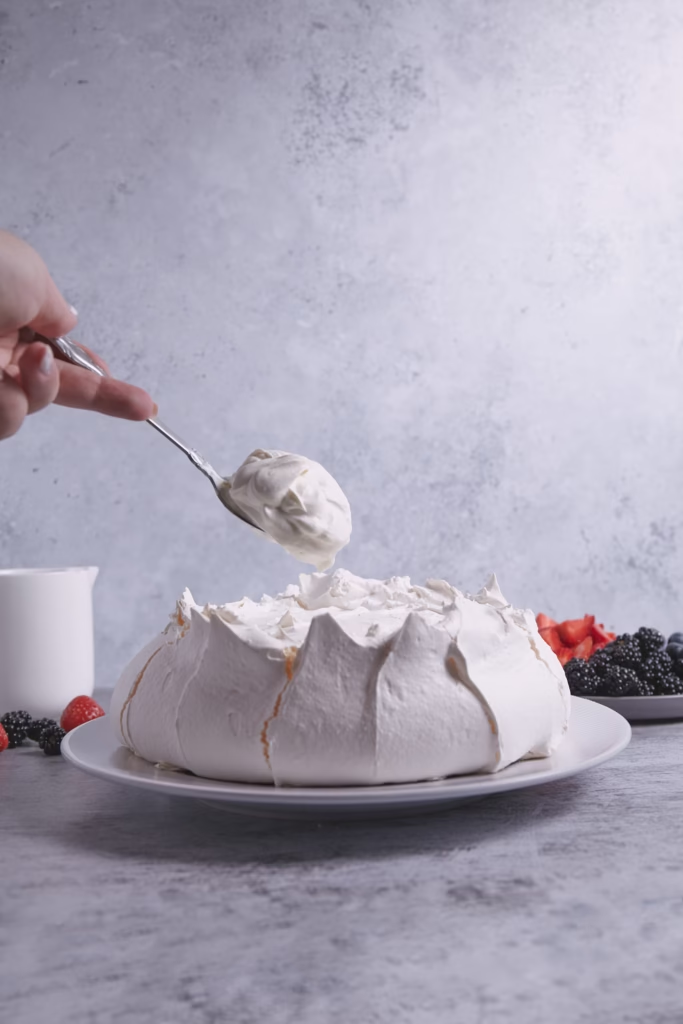
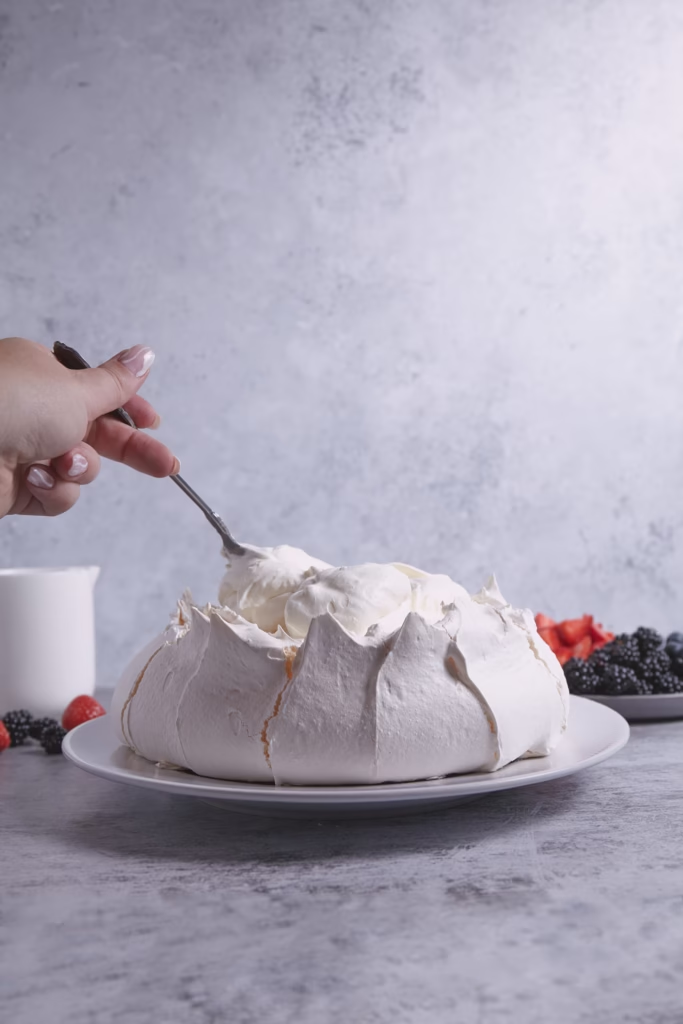
The topping combination is key here. Cream Chantilly, lightly sweetened and delicately whipped, is soft and luxurious without being overpowering. A freshly made berry compote adds depth and intensity—concentrated fruit flavour with just enough sharpness to balance the sweetness of the meringue. And then there are the fresh berries themselves, scattered generously on top, adding texture, colour, and bursts of freshness. Together, they create a dessert that feels layered, thoughtful, and complete.
Pavlova also has a timeless quality to it. It’s a dessert that doesn’t chase trends or need reinvention. It relies on contrast and simplicity, and when done well, it’s absolutely unforgettable. There’s something almost nostalgic about it too—a dessert that appears at celebrations, family lunches, and special occasions, always carrying a sense of occasion with it.
Tips and tricks for a perfect pavlova
Pavlova has a reputation for being temperamental, but with a little care and patience, it’s far more approachable than it seems.
Make sure your bowl and whisk are spotless.
Any trace of grease can prevent the egg whites from whipping properly. Clean equipment is essential for achieving volume and stability.
Add sugar gradually.
Sugar should be added slowly, allowing it to dissolve fully. This helps create a glossy, stable meringue and prevents a grainy texture.
Don’t rush the baking.
Pavlova benefits from a low and slow bake. This helps dry out the exterior while keeping the inside soft and marshmallow-like.
Let it cool completely in the oven.
Sudden temperature changes can cause cracking or collapse. Turning the oven off and letting the pavlova cool gently inside helps maintain its structure.
Assemble just before serving.
Pavlova and moisture are not friends. Add the cream, compote, and fresh berries shortly before serving to keep the shell crisp.
Balance sweetness with acidity.
Berry compote is ideal because it adds sharpness and depth. Don’t make it overly sweet—the contrast is what makes the dessert sing.
Commonly asked questions about pavlova
Why is my pavlova cracked?
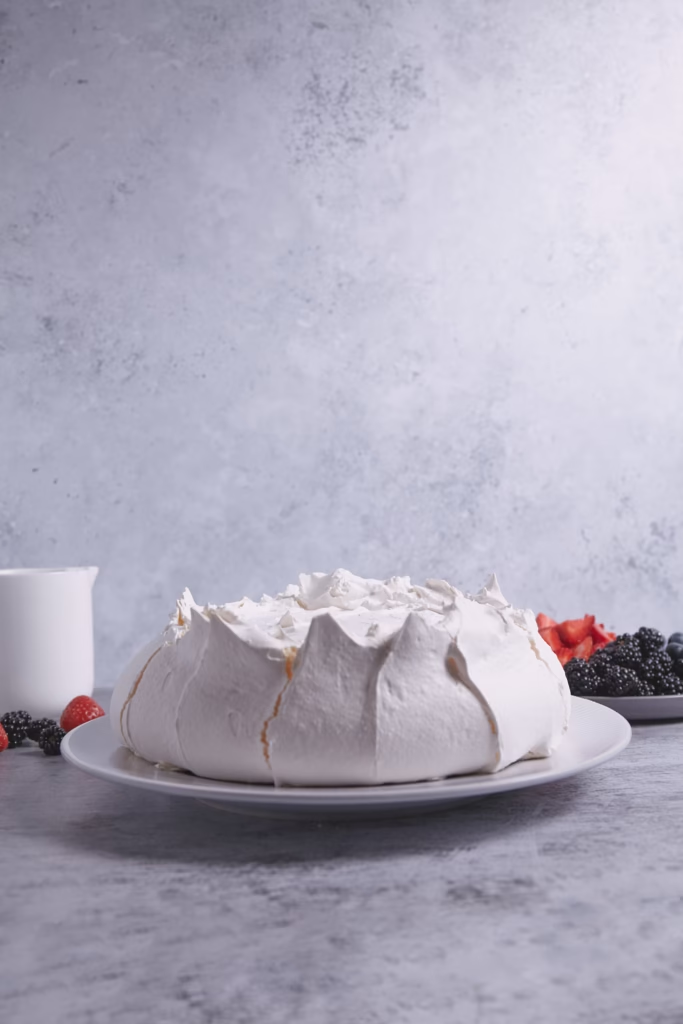
Cracks are common and not a flaw. They often happen due to temperature changes or simply as the pavlova settles. Once topped with cream and fruit, they’re barely noticeable and add to its rustic charm.
Should pavlova be crisp or soft inside?
Both. A good pavlova has a crisp exterior and a soft, marshmallow-like centre. If it’s crisp all the way through, it’s likely overbaked.
Can I make pavlova ahead of time?
The meringue base can be made a day ahead and stored in a dry place. The toppings should always be added just before serving.
Why did my pavlova weep or become sticky?
This is usually caused by humidity or undissolved sugar. Making pavlova on very humid days can be tricky, and ensuring the sugar is fully dissolved helps prevent this.
Can I use frozen berries for the compote?
Absolutely. Frozen berries are perfect for compote as they release their juices beautifully and create a rich, flavourful sauce.
Why this topping combination always works
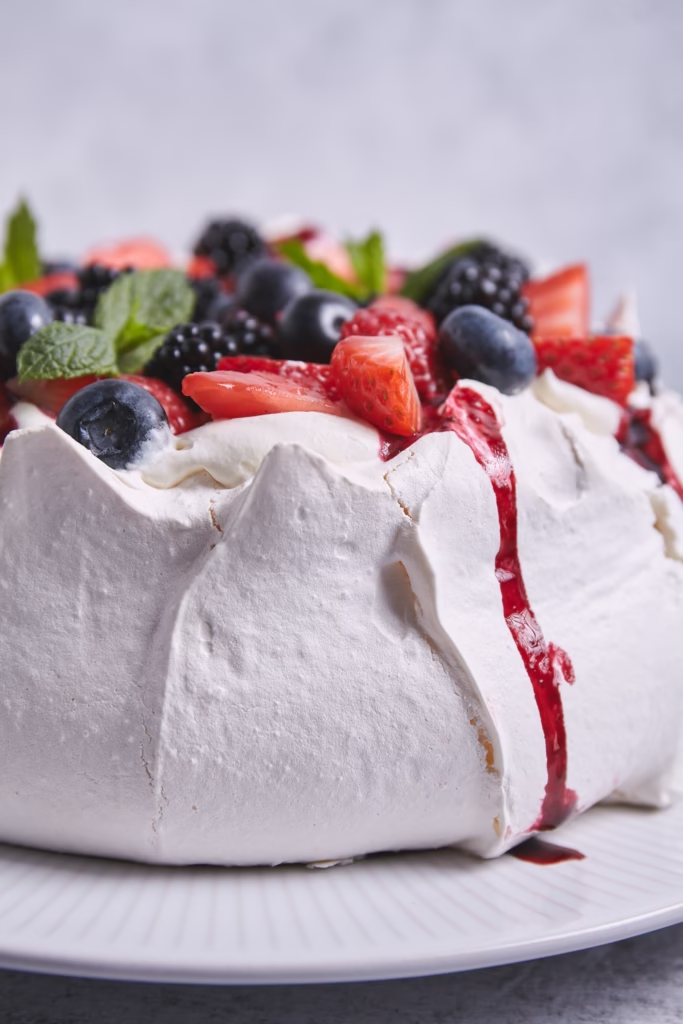
Cream Chantilly, berry compote, and fresh berries might sound simple, but that’s exactly why they work so well. Each element has a clear role. The cream adds softness and richness, the compote brings intensity and tang, and the fresh berries add brightness and texture. Nothing competes, and nothing feels unnecessary.
I always come back to this combination because it feels honest and generous. It doesn’t rely on heavy flavours or elaborate decoration. Instead, it lets the pavlova be what it is—light, elegant, and quietly impressive—while the toppings enhance rather than overshadow it.
There’s also something deeply satisfying about the act of assembling a pavlova. Spreading the cream, spooning over the glossy berry compote, scattering fresh berries—it feels almost meditative. And once it’s finished, it looks effortlessly beautiful, the kind of dessert that invites people to gather around the table.
A dessert made for sharing
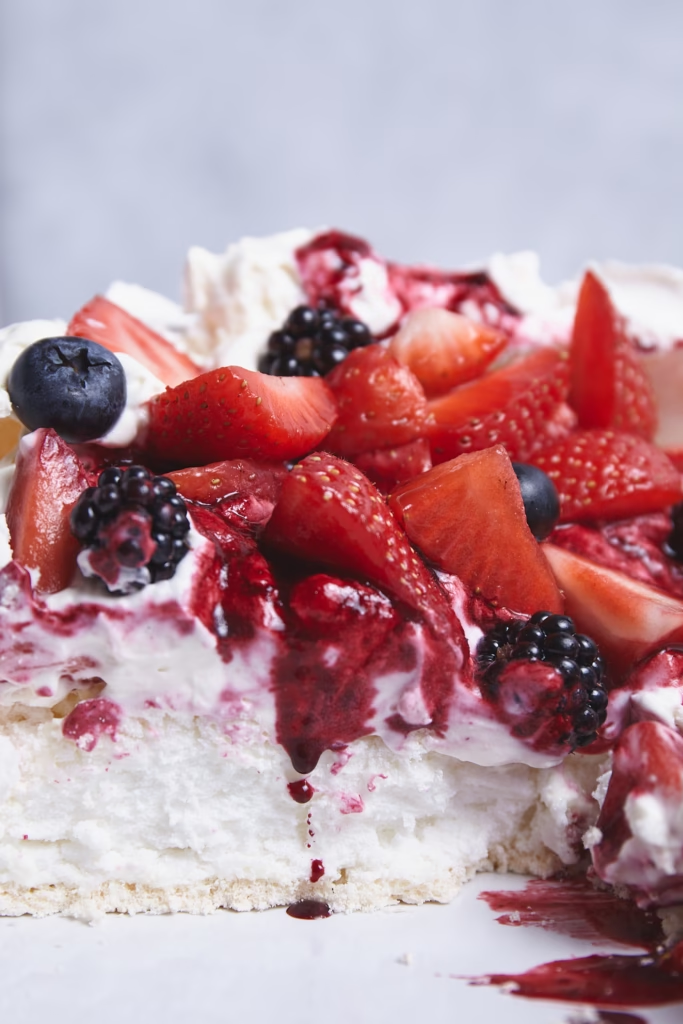
Pavlova is not a dessert meant to be sliced neatly into perfect portions. It’s meant to be spooned, shared, and enjoyed communally. It encourages conversation, second helpings, and a little bit of mess—and that’s part of its charm.
Whether served at a summer gathering, a family celebration, or simply as a weekend treat, pavlova topped with cream Chantilly, berry compote, and fresh berries always feels right. It’s light but indulgent, elegant but approachable, and endlessly adaptable depending on the season.
And perhaps that’s why I love it so much. It’s a reminder that some of the most memorable desserts aren’t about complexity or perfection, but about balance, contrast, and the simple pleasure of sharing something truly delicious.
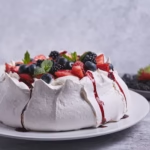
Pavlova
Equipment
- standing mixer
- Oven baking tray
- Spatula
Ingredients
- 5 egg whites
- 200 g caster sugar
- 1 tbsp cornstarch
- 1 tbsp white wine vinegar
Instructions
- Pre-heat your oven to 150ºC and line your baking tray with baking paper.
- Place egg whites into the bowl of your standing mixer and attach whisk attachments. Start whisking on medium speed. Don't use high speed as that would incorporate too much air and your meringue wouldn't be stable. Slow speed will require more patience and time but it will give you great results.
- As soon as egg whites start to foam start adding your sugar one spoon at the time. Make sure all the sugar has been incorporated before you adda another spoon.
- Mix cornstarch and vinegar in small bowl and pour into your meringue once you reach stiff peaks. Give it one final quick whisk to incorporate everything and shape your pavlova on your prepared baking tray. You can use title bit of the meringue on the corners of the baking paper to stick it to the baking tray. You can just transfer on the paper and shape into a circle or you can use piping bag and pipe your meringue with different tips and different shapes.
- Once your Pavlova is ready place it into your pre-heated oven and turn the oven down straight away to 100-120ºC (all depends on your oven) and bake for about an hour and a half. If your temperature is too high your meringue is going to turn slightly beige colour. I prefer to bake lower and little bit longer if necessary to have nice white Pavlova at the end.
- It is important not to peak into the oven and leave it in the oven to cool overnight without opening the door. You can make it on the same day and slightly open the oven after baking (leave wooden spatula in the doors to keep them just ajar). The risk of opening the door more is cracking or collapsing. Some cracks are normal and nothing to worry about.
- Decorate with whipped cream and fresh fruits. You can also add fruit sauce for extra tang.

Leave a Reply